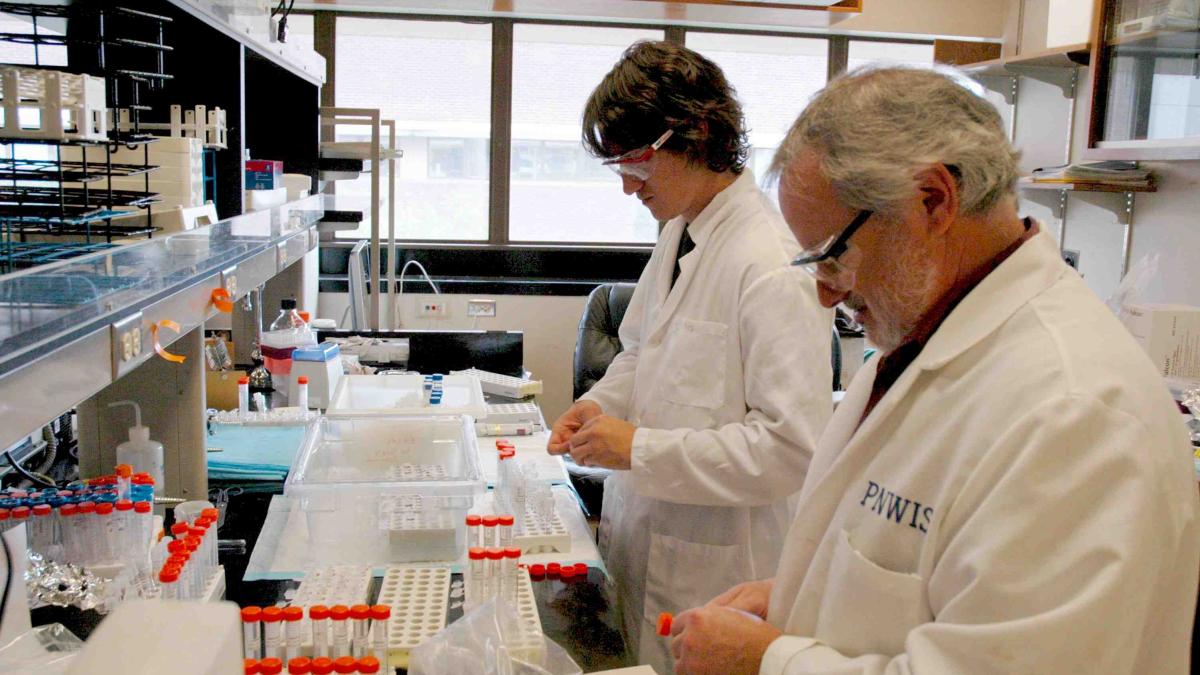
In general, EDGE members may take advantage of the services offered by the facility cores without having to incur labor and infrastructure costs related to the project. Occasionally we do have larger projects that require a disproportionate amount of staff time. In these cases the EDGE covers a reasonable portion of the labor costs. If the instrumentation or service is not available through one of our own facility cores, the TRSC will help locate a Cost Center that provides the service. EDGE Pilot project funds and mini-grant funding can also be used to cover a portion of the cost of EDGE facility core usage.
Data Sciences Core
This Core provides consultation, support, and infrastructure for all data handling stages of the research process. These supported activities span from data management (tools for data collection and storage), data analysis (including biostatistics and bioinformatics), geospatial data approaches/analysis, artificial intelligence and machine learning tools, effective and compliant data sharing approaches, through to data report-back to communities and study participants.
Learn moreTranslational Research Support Core (TRSC)
is the “gateway” to the EDGE Center resources. In addition to a central portal and consultation service, the TRSC has three units, the Clinical and Epidemiological Unit (CEU), the Omics Unit, and the Exposure Sciences Unit (ESU).
Learn moreCommunity Engagement Core
This Core supports EDGE Investigators to create equitable community-engaged research partnerships, communicate their science to a range of audiences, and make their science more actionable. This core helps investigators identify and engage partners relevant to their research areas of interest. It also helps investigators develop materials or host events to share important research findings with community groups, public health professionals, policymakers, K-12 teachers, and students, or other groups.
Learn more