
Stories from the blog

Testing a low cost way to reduce the symptoms of asthma in children
EDGE is partnering with the Duwamish River Community Coalition to test whether low cost box fan air cleaners can reduce the symptoms of asthma in children.

Teaching about antimicrobial resistance in schools
Spearing marshmallows with toothpicks helps teach high school students about one of the top threats to public health

Who owns the data? Centering Indigenous sovereignty in academic-community collaborations
A recent webinar co-hosted by UW’s EDGE Center and the Oregon State University/ Pacific Northwest National Laboratory Superfund Research Center explored how researchers can ethically partner with Tribal communities.
In the News
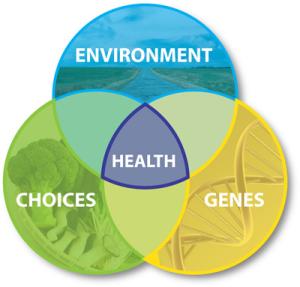
The EDGE Center is committed to conducting and communicating science that reduces the burden of environmentally-related diseases through science translation into policy and practice. We use cutting edge molecular and systems biology to explore how the interactions of genetics, epigenetics and environmental factors contribute to diseases of public health importance. In particular, we are at the forefront of research into molecular signatures (biomarkers) associated with toxicant exposure. Our work to uncover important genetic, epigenetic and environmental contributions to chronic diseases can help improve prevention, early diagnosis, and the development of effective treatments. Such developments will substantially reduce the social burden and health care costs associated with sickness and early death caused by diseases like cancer, cardiovascular disease, respiratory disease, liver disease, kidney disease, metabolic disorders like diabetes, chronic neurodegenerative diseases like Alzheimer's and Parkinson's and developmental and reproductive disorders.